 by Don'tForgetDad Team
If your doctor just called to schedule a 3 hour glucose test, please take a deep breath. It’s completely normal to feel a bit anxious or overwhelmed by the news, but this test is simply a tool—a gentle way to get a clearer picture of how your body is handling sugar during this incredible journey of pregnancy.
Let’s walk through it together, step by step, so you know exactly what to expect.
A Gentle Guide to the 3 Hour Glucose Test
Think of this test less as a hurdle and more as a helpful check-in for you and your baby. Pregnancy hormones are amazing—they help your little one grow and thrive! But sometimes, those same hormones can make it harder for your body to use insulin, which is what keeps your blood sugar in balance.
This test is like a "stress test" for how your body processes sugar. It shows your doctors precisely how your body responds over a few hours, giving them the information they need to ensure you and your baby get the very best care.
To give you a quick overview, here’s what the day will look like.
The 3 Hour Glucose Test at a Glance
This table breaks down the key parts of the test in simple terms, so you can feel prepared and in the loop.
| Key Aspect | What It Involves |
|---|---|
| Purpose | To see if your body needs a little extra support with blood sugar during pregnancy. |
| Duration | The entire appointment lasts a little over 3 hours. |
| Preparation | You'll need to fast (not eat or drink anything but water) for 8-14 hours before the test. |
| Procedure | Four blood draws: one before you have the drink, then one each hour for three hours. |
| The Drink | You'll drink a sweet beverage containing 100 grams of glucose (sugar). |
| Activity | You'll need to stay and rest at the lab or clinic for the entire time. |
It's a long time to sit, for sure, but knowing the steps can make it feel much more manageable.
Who Needs This Test and Why?
Not every pregnant person needs to take the 3-hour test. It's usually the follow-up step after an initial, shorter screening.
Step One: The Quick Screening. Most pregnant women start with a one-hour glucose test. It’s a quick check where you drink a sugary liquid and have your blood drawn an hour later. It doesn't diagnose anything; it just helps identify who might need a closer look.
Step Two: The Detailed Test. If your results from the one-hour test come back a little higher than expected, your doctor will suggest the 3 hour glucose test. This is the test that gives a clear picture and can confirm if you have something called gestational diabetes.
Imagine your friend calling to say, "Hey, I'm running a little late." That's the one-hour test. The three-hour test is like looking at the traffic app to see exactly what's causing the delay and how to navigate it. It's all about getting the right information to be proactive for a healthy pregnancy.
The goal is simple: to find out early if your body needs extra support. When gestational diabetes is found and managed, it helps keep both mom and baby healthy and safe. This test is all about getting the right information to provide the best support.
Understanding How a Diagnosis Is Made
The 3-hour oral glucose tolerance test (OGTT) is the most reliable way to diagnose gestational diabetes. It’s a careful process involving that 100-gram glucose drink and four separate blood draws.
A doctor will diagnose gestational diabetes if at least two of your four blood sugar readings are at or above these levels:
- Fasting (before the drink): 95 mg/dL
- 1-Hour after the drink: 180 mg/dL
- 2-Hours after the drink: 155 mg/dL
- 3-Hours after the drink: 140 mg/dL
Juggling appointments and waiting for results can feel like a lot. This is where having a supportive partner or family member makes a world of difference. For more ideas on navigating these moments as a team, check out the Don'tForgetDad blog. You are absolutely not in this alone.
Ultimately, this test is an empowering step. It gives you and your medical team the knowledge you need to keep you and your little one healthy and strong.
Here’s a small, actionable tip: When you schedule your test, ask if you can bring a book, headphones, or your laptop. Having something comforting to distract you can make those three hours fly by.
How to Prepare for Your Test Day
Knowing what to do before your 3-hour glucose test can make a huge difference. It turns a day that might feel stressful into something you can manage with confidence. Think of this as your game plan for the hours leading up to your appointment.
The most important part of your prep is the fast. Your doctor will give you a specific window, usually 8 to 14 hours, where you can't eat or drink anything except water. Let's talk about what "fasting" really means here.
The Fasting Period Explained
Fasting gives your body a clean slate. This way, the test results show exactly how your system handles the sugary drink, without any interference from a recent meal.
- No Food or Drink. Seriously. During your fast, you can't have anything. That includes coffee, tea, juice, or even things like gum and mints. They can all affect your body's chemistry and throw off the results.
- Plain Water is Your Best Friend. You absolutely can—and should—drink plain water. Staying hydrated is important, and it won't impact your test at all. It might even make the blood draws a little easier.
- Check on Your Meds. Be sure to ask your doctor about any medications you take. They’ll tell you exactly what to do and whether you should take them during your fast.
Imagine your test is at 8:00 AM. You’ll need to stop eating and drinking everything (except water) sometime between 6:00 PM and midnight the night before. This is a great moment for a partner to help out. A simple, supportive gesture, like setting a gentle reminder on their phone for the "last call for snacks," can mean so much.
A little planning goes a long way. Pick a fasting start time that feels doable for you, and keep a glass of water by your bed just in case you wake up thirsty.
What to Eat Before Your Fast Begins
You might be tempted to change your diet in the days before the test, but the best advice is simple: just eat normally. Your doctor needs to see how your body is working under everyday conditions.
There’s no need to cut out carbs or go on a special diet. In fact, that could actually affect your results. Just stick to your normal, balanced meals for a few days leading up to the test. Aim for a good mix of protein, healthy fats, and carbs.
For example, a good meal the night before your fast starts could be something like baked chicken with a sweet potato and a big green salad. It'll give you lasting energy and help keep hunger at bay once your fast begins.
Packing Your Comfort Kit for the Lab
You're going to be at the lab for over three hours, and you’ll have to sit quietly the whole time. Packing a small "comfort kit" can turn a long, boring wait into a surprisingly peaceful pocket of time for yourself.
Here are a few ideas from other moms:
- Wear Comfy Clothes: Think soft, and think layers. Labs can be chilly, so having a cozy sweater you can take on or off is a game-changer.
- Bring Distractions: This is the perfect time to catch up on things. Pack a good book, load your phone with podcasts or a soothing playlist (don't forget headphones!), or bring a tablet to watch a movie. A phone charger is a must!
- Plan Your Post-Test Snack: This is so important! You will likely feel very hungry and maybe a little shaky when it's all over. Have a snack packed and ready to go for the moment they give you the all-clear. Something with protein, like a cheese stick and whole-grain crackers or a handful of almonds, is perfect for helping you feel like yourself again.
Walking into your 3-hour glucose test with a plan helps quiet the nerves and puts you back in control.
Here’s a small, actionable tip: The night before, lay out your comfy outfit and pack your bag. Getting everything ready to go means one less thing to worry about on test-day morning.
What to Expect on Test Day: A Step-by-Step Guide
Alright, let's walk through what the day of your 3-hour glucose test will actually feel like. Knowing the play-by-play can take a lot of the anxiety away, turning a long appointment into something you are mentally ready for.
When you arrive at the lab, the first thing they’ll do is gently confirm that you’ve been fasting. This isn't just a rule—it's the key to getting an accurate result that you can trust.
First Up: The Fasting Blood Draw
Before you do anything else, a friendly phlebotomist will take your first blood sample. This is your fasting blood draw. It’s a crucial first step because it gives your doctor a baseline reading of your blood sugar after a long time without food.
Think of it as the "before" picture. This number is the starting point that all the other measurements will be compared to.
Tackling the Glucola Drink
Next up is the part you've probably heard about: drinking the glucola. It's a very sweet drink with a specific amount of sugar—100 grams for this test. The whole point is to give your body a big sugar challenge so the lab can see how well your system responds.
To be honest, it's not the tastiest drink. Most people say it tastes like a super-sweet, flat soda.
Tips to Make It Go Down Easier:
- Ask for it cold. Most labs will have it chilled, which really helps. If they hand you a room-temperature bottle, it’s always okay to politely ask if they have a cold one.
- Use a straw. Sometimes, sipping through a straw can help the sweetness feel less intense.
- Drink at a steady pace. You'll have about five minutes to finish it. You don’t have to chug it, but try not to drag it out. Find a rhythm that feels okay for you.
Please remember, the lab staff sees people do this every single day. They understand it can be tough. If you start to feel nauseous or dizzy, let them know right away. They're there to help you through it.
Executing the 3-hour glucose test correctly is a matter of precision. A 100-gram glucose drink is consumed after an overnight fast, followed by blood draws at exact intervals: fasting, and then at the 1, 2, and 3-hour marks. Sticking to this schedule is non-negotiable for a valid test. For instance, if you get sick within 30 minutes of drinking the glucola, the test often has to be rescheduled, though protocols can vary. You can read more about these clinical challenges in published research.
This visual guide breaks down the simple but essential steps leading up to your test.
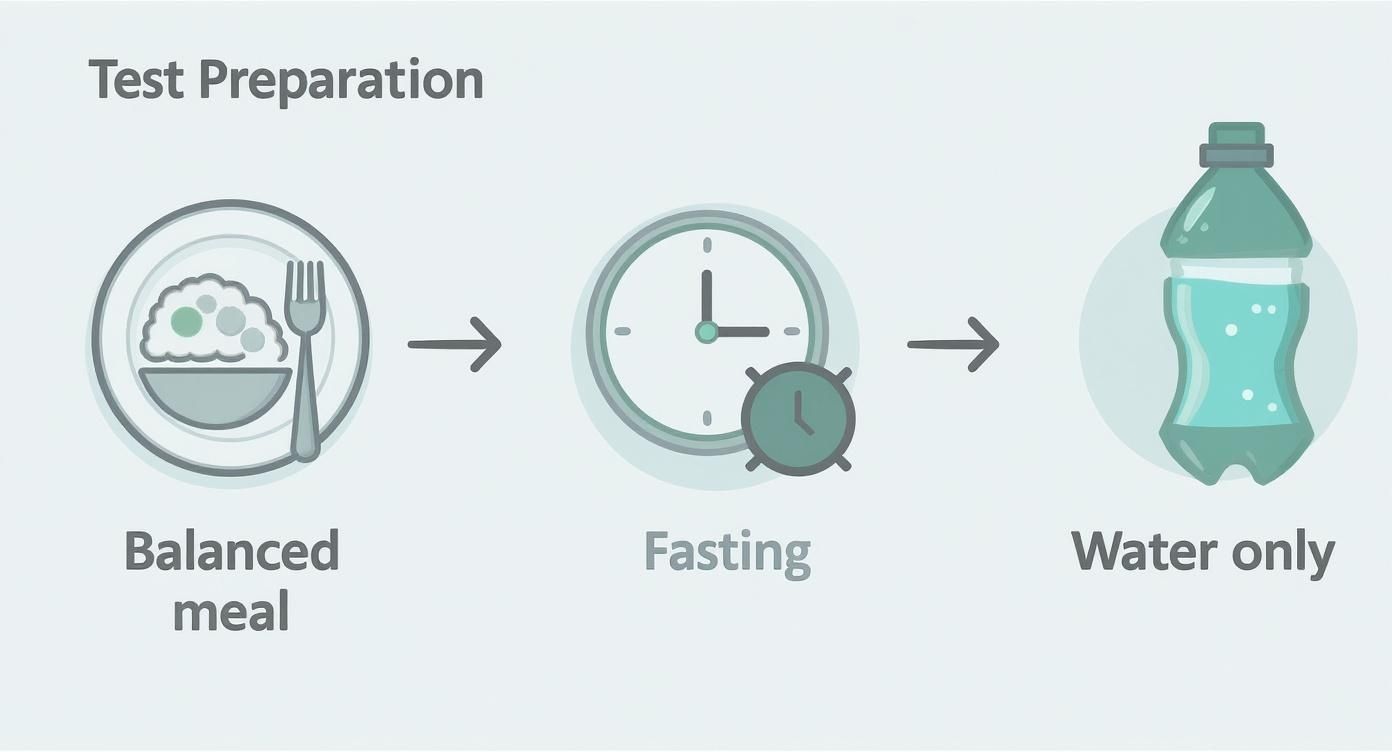
As you can see, proper prep is a clear sequence: eat a balanced meal the night before, start your fast at the designated time, and then stick to only water until you arrive for your appointment.
The Waiting Game and Hourly Draws
Once the drink is down, the clock starts. This is where the "3-hour" part of the 3-hour glucose test comes in. You’ll sit tight in the waiting area and have your blood drawn three more times, once every hour.
Here’s what that timeline looks like:
- Hour 1: One hour after finishing the drink, you'll have your second blood draw.
- Hour 2: An hour later comes the third.
- Hour 3: At the end of the final hour, they'll take your last blood sample.
It is really important that you rest quietly during this time. No pacing the halls or running a quick errand. Physical activity can make your body use the sugar faster, which could affect your results. So find a comfy spot, pull out your book or headphones, and just relax.
Seriously, this is your excuse to just sit still. Consider it a rare, doctor-ordered break. Once that final draw is done, you’re free! You can finally enjoy that snack you packed and get on with your day.
Here’s a small, actionable tip: Set a quiet alarm on your phone for each hour. It can help you mentally check off the milestones and make the long wait feel a little more structured and less endless.
Making Sense of Your Test Results
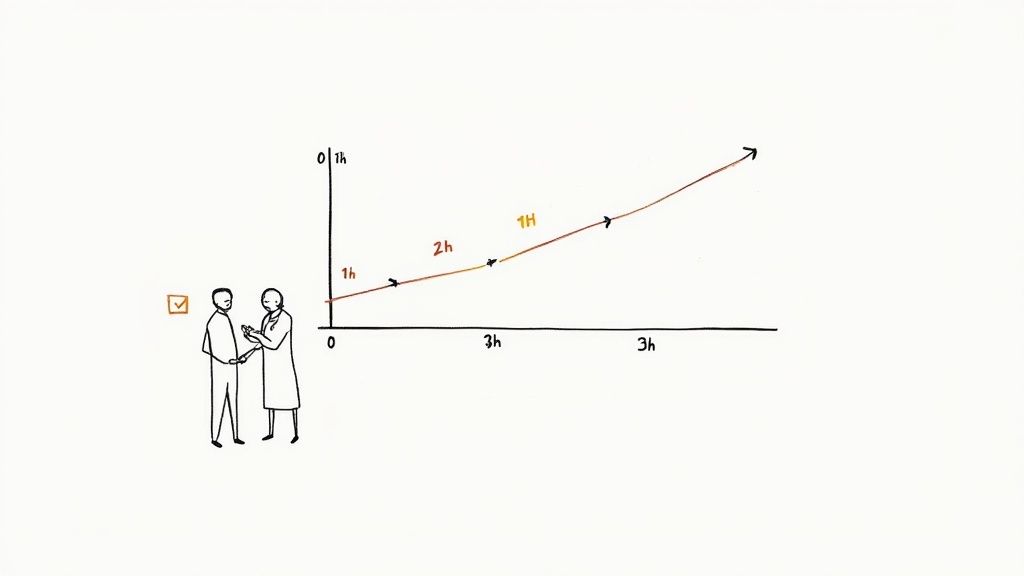
After sitting through the long test, the wait for the results can feel even more intense. It’s completely natural to feel a little on edge. Let's gently break down what the numbers from your 3-hour glucose test mean, so you're prepared for the conversation with your doctor.
Think of your results as a story of how your body handled that sugary drink. You'll get four numbers back, one for each blood draw, showing how well your system processed the glucose over those three hours.
What the Numbers Mean
Your doctor will compare your results against a set of standard numbers to see how your body is handling sugar during pregnancy. A diagnosis of gestational diabetes is usually made if two or more of your blood sugar readings are at or above these specific points.
Here’s a look at the typical upper limits for each stage of the test.
Understanding the Glucose Thresholds (100g OGTT)
These are the typical upper limits for blood glucose at each stage. Your doctor will diagnose gestational diabetes if two or more of your results meet or go above these levels.
| Blood Draw Timing | Maximum Glucose Level (mg/dL) |
|---|---|
| Fasting | 95 mg/dL |
| 1 Hour After Drink | 180 mg/dL |
| 2 Hours After Drink | 155 mg/dL |
| 3 Hours After Drink | 140 mg/dL |
So, for example, if your 1-hour and 2-hour numbers are above these levels—even if the other two are normal—it will likely lead to a diagnosis.
This is just one snapshot in time, but it gives your care team the vital information they need to create the best plan for you and your baby.
A Diagnosis Is Information, Not a Judgment
Getting the news that you have gestational diabetes can feel like a heavy blow. It’s so easy to start wondering what you did wrong or if you could have prevented it. Please hear this loud and clear: this is not your fault.
Gestational diabetes is caused by pregnancy hormones that can interfere with how your body uses insulin. It's a condition that just happens sometimes, and it has nothing to do with your personal choices or how much you care.
Think of the diagnosis as a new road sign on your pregnancy journey. It’s not a stop sign. It’s just a sign pointing you down a slightly different path—one that helps you and your doctors navigate the rest of your pregnancy in the healthiest way possible.
The most important thing to remember is that this is completely manageable. You and your medical team will become partners, working together to keep your blood sugar levels stable through small, positive changes in diet, exercise, and sometimes medication.
Your Most Important Next Step
While it’s good to understand the numbers, your single most important next step is to have a real, heart-to-heart conversation with your doctor. They’ll explain your results in the context of your whole pregnancy.
They are your best resource for getting answers and creating a personalized plan that feels right for you. For partners and caregivers, this is where you can be a rock. A new diagnosis means new appointments, diet guidelines, and things to track. Using a shared app to coordinate everything can be a game-changer, turning "I forgot" into "We've got this." You can check out our guide on the best reminder apps for Android to find one that helps your family stay on the same page.
Your results from the 3-hour glucose test are just one piece of the puzzle. They’re a tool to guide your care, not to define your pregnancy.
Here’s a small, actionable tip: Before your follow-up appointment, jot down every question that pops into your head in a notebook, no matter how small it seems. This helps ensure you walk out of that conversation feeling confident, clear, and ready for what’s next.
What Happens After the Test?
The moment that last vial is filled, you can finally breathe a sigh of relief. You did it! No matter what the results of your 3-hour glucose test show, you now have important information to help guide the rest of your pregnancy. This isn't a finish line; it’s a signpost pointing you in the right direction.
If your results come back normal, that's wonderful news. Think of it as a little confirmation that your body is handling the extra demands of pregnancy beautifully. You can just continue with your healthy routines, feeling that extra bit of confidence.
If You're Diagnosed with Gestational Diabetes
Hearing you have gestational diabetes can be tough. It's easy to feel overwhelmed or even like you did something wrong. But I want you to hear this: you are absolutely not alone.
Gestational diabetes is surprisingly common. In Australia, for instance, about one in six pregnant women (that's roughly 16.7%) are diagnosed with it. That number more than doubled after diagnostic guidelines were updated, which just goes to show how many women walk this same path. You can read more about these public health findings to see the bigger picture.
This diagnosis isn't a failure. It’s a road map for giving you and your baby the best possible care from here on out. Your doctor and their team will spring into action with a plan that is clear, supportive, and completely manageable.
Here’s what usually happens next:
- Chatting with a Nutritionist: You’ll likely meet with a dietitian or diabetes educator. Think of them as a food coach who can help you figure out a balanced eating plan that keeps your blood sugar stable without making you feel deprived.
- Learning to Check Your Blood Sugar: They'll show you how to use a simple little device to check your blood sugar at home. This tool puts you in the driver's seat, giving you immediate feedback on how your body is handling different foods and activities.
- Getting a Little Movement In: Gentle, regular exercise, like a daily walk after dinner, becomes a key part of your routine. It’s amazing how much it can help your body use insulin more effectively.
Think of this as a new season of self-care. It’s a chance to become deeply in tune with your body’s needs, making small choices every day that have a huge, positive impact on you and your baby.
Shaking Off the Post-Test Blahs
It’s completely normal to feel a bit... off after the test. After fasting for so long and then having a lot of sugar, you might feel shaky, tired, or just plain drained. That’s just your body working to get back into balance.
The best thing you can do is eat that snack you packed as soon as you get the all-clear. It will help stabilize your blood sugar and can make you feel better almost immediately. Once you’re home, drink plenty of water and have a good, balanced meal. Most importantly, give yourself permission to take it easy for the rest of the day. You've earned it.
Whether your 3-hour glucose test ends with a sigh of relief or a new plan of action, the end goal is exactly the same: a healthy, happy mom and a healthy, happy baby.
Here’s a small, actionable tip: As soon as the test is over, send a quick text to your partner or a friend to let them know you're done. Just having someone to check in with can be a huge comfort after that long, quiet wait.
Answering Your Questions About the Glucose Test
It's completely normal for your mind to be swirling with questions about the 3-hour glucose test. This part of the pregnancy journey can feel a little mysterious, so let's talk through some of the most common concerns we hear. My hope is to give you clear, warm answers so you can walk into your appointment feeling prepared and at ease.
Can I Drink Water While I’m Fasting?
Yes, absolutely! In fact, we encourage it. Staying hydrated with plain water is a great idea and won't affect your test results at all. For some people, being well-hydrated even makes the blood draws a little easier.
But "water only" really does mean only water. It’s important to avoid anything else while you’re fasting, even things that seem harmless. That means:
- Coffee and Tea: No, not even black. Caffeine can affect your metabolism and blood sugar.
- Gum and Mints: Even the sugar-free kinds can contain ingredients that cause your body to react, which could skew your results.
- Juice or Soda: These are a definite no, as they are full of sugar and would defeat the purpose of fasting.
Just stick to plain water. That way, you get a true picture of how your body is doing.
What if I Feel Sick During the Test?
This is a big worry for many people, and it’s a valid concern. The sweet drink on an empty stomach can be a lot to handle. Feeling nauseous or a little dizzy is a common reaction, so you wouldn't be the first.
The most important thing? Tell the lab staff right away. Please don’t try to tough it out in silence. They’ve seen it all before and are there to help you.
If you do get sick soon after the drink, the test probably won't be accurate because your body didn't absorb all the sugar. In most cases, they'll have to stop and you'll need to come back another day. I know that sounds frustrating, but getting a reliable result is what really matters for your health.
The staff can find you a place to lie down or get you some water. They know this part is tough and will be kind and supportive.
Are There Any Alternatives to This Test?
That’s a great question, especially if you’re worried about how the drink will make you feel. While the 3-hour glucose test is the most trusted and standard way to diagnose gestational diabetes, it's always worth sharing your concerns with your doctor.
This specific test gives a detailed, hour-by-hour picture of how your body handles a large amount of sugar. In certain situations, a doctor might consider other ways to monitor your blood sugar, but these aren't as common. Your doctor is the best person to talk to about this. They know your health history and can explain why this test is the safest and most effective path for you and your baby.
Will I Have Diabetes Forever if I'm Diagnosed?
This is probably the biggest question of all, and the answer is usually a huge relief: for the vast majority of women, gestational diabetes goes away after the baby is born.
Once your baby arrives and your pregnancy hormones settle down, your blood sugar almost always returns to normal. Your doctor will likely re-test you about six to twelve weeks after you give birth, just to make sure everything is back on track.
That said, having gestational diabetes does mean you have a higher chance—about 50%—of developing type 2 diabetes later in life. But please, don’t see this as a scary future. See it as a powerful heads-up. It's a chance to build on the healthy habits you learned during pregnancy, making balanced nutrition and gentle movement a permanent part of how you care for yourself. The knowledge you gain is a gift you can carry with you for life.
We know coordinating care can be tough. If you have questions or need support, please don't hesitate to contact us at Don'tForgetDad.
Here's a hopeful takeaway: This test, and whatever comes from it, is a tool to empower you. It gives you and your care team the information you need to ensure the healthiest possible outcome for you and your beautiful baby. You've got this.
At Don’tForgetDad, we believe that shared care is better care. Our simple tool helps families coordinate everything from medication reminders to important appointments, ensuring everyone stays connected and supported. Learn how Don’tForgetDad can bring your family peace of mind.