 by Don'tForgetDad Team
If you've ever felt like you're juggling a dozen different notebooks just to keep track of a loved one's health, you're not alone. It can feel like medical information is scattered everywhere—a note from the doctor here, a lab result there, and a prescription list somewhere else entirely. Healthcare system integration is the quiet, behind-the-scenes work of bringing all those scattered pieces together into one clear story.
Think of it as creating a single, shared health journal that every single person on your loved one’s care team can read and add to in real-time. It’s about replacing chaos with calm, coordinated care.
What Is Healthcare Integration and Why Does It Matter for Your Family?

As a caregiver, you are the loving bridge between all those disconnected systems. You're the one who holds the mental list of every medication, every allergy, every specialist’s name, and every upcoming appointment. Healthcare integration is all about building sturdy, digital bridges so you don’t have to carry that heavy load all by yourself.
Let's imagine a real-life scenario. Picture your dad’s family doctor recommending he see a heart specialist. The old way—the disconnected way—means you spend the next few days chasing down records, asking offices to fax things, and showing up to the new appointment with a massive folder, praying you didn’t forget a critical piece of paper. It’s stressful and exhausting.
Now, imagine that same visit, but with integrated systems. The cardiologist’s office can securely see your dad’s relevant history, recent lab work from his primary doctor, and his current medication list before you even arrive. That’s the difference between feeling overwhelmed and feeling supported.
Making Care Safer and More Coordinated
At its heart, the goal is simple: give every provider a complete, accurate, and up-to-the-minute picture of a patient's health. This single change can make a world of difference for your family’s well-being.
- It helps prevent medical errors. When a new doctor can see every single medication a patient is taking, they can spot and prevent dangerous drug interactions.
- It stops the cycle of repeat tests. A specialist won't re-order the same blood work the family doctor did just last week, saving everyone time, money, and unnecessary pokes.
- It gets the whole team on the same page. The pharmacist, the physical therapist, the specialist—everyone is working from the same storybook, all for your loved one.
This isn't just a small trend; it's a huge shift. The global market for this technology was valued at USD 1.34 billion in 2023 and is growing fast. This shows how serious the healthcare world is about fixing the fragmented systems that make our jobs as caregivers so much harder. You can read more about how healthcare data is being connected to see how this movement is creating better care.
A Real-World Look at Integrated Care
Sometimes, seeing the difference side-by-side makes it all click. Here’s a simple look at that heart specialist visit we talked about.
How Integration Transforms a Specialist Visit
| Your Caregiving Task | Without Integration (The Overwhelming Way) | With Integration (The Supportive Way) |
|---|---|---|
| Getting Ready for the Visit | You call multiple offices, ask for records to be faxed, and build a giant folder of paperwork. | The specialist's office electronically and securely receives the most important records ahead of time. |
| Sharing Medication History | You write down every medication and dose, hoping you remembered everything correctly. | The doctor looks at a verified, up-to-date medication list from the pharmacy and family doctor. |
| Dealing with Lab Results | You bring printed copies, or the specialist orders new tests that might be repeats. | The specialist views the results from last week’s blood work right in your dad's electronic chart. |
| After the Visit | You get a printed summary and are responsible for sharing it with the family doctor. | The specialist's notes and new prescriptions are automatically sent to the family doctor and pharmacy. |
The difference is truly night and day. One path is filled with stress and the potential for mistakes, while the other feels seamless, supportive, and safe.
How Integration Gives Your Family Peace of Mind
This isn't just about making things easier for doctors; it's a lifeline for you. When you know that crucial information is flowing where it needs to go, you can finally let go of some of that "records clerk" stress. You can shift your focus from managing paperwork to simply being there for the person you love.
At its heart, integration is about safety and clarity. It replaces fragmented notes and frantic phone calls with a single, reliable source of truth that helps protect the person you love.
That mission for simplicity and support is the very reason we do what we do. We built our tool on the belief that technology should ease the burden on families, not add to it. You can learn a little more about the story behind Don'tForgetDad on our site.
Understanding what integration is—and what it should feel like—is the first step. When systems talk to each other, care becomes what it was always meant to be: a coordinated, compassionate team effort focused on one person's well-being.
The Real-World Benefits for Your Family's Peace of Mind
Imagine your dad has an appointment with a new cardiologist. In a disconnected world, the week leading up to it is a frantic mess. You’re on the phone with his other doctors, begging them to fax records. You're digging through pill bottles, trying to remember the exact dosage of every single medication. It feels like a high-stakes scavenger hunt where you’re the only one playing.
Now, let’s flip that script. Imagine the specialist’s office securely pulls up your dad’s relevant history with a few clicks, days before you even walk in the door. They already see his primary doctor's latest notes and the prescriptions from his other specialists. That feeling of relief? That’s the real-world power of healthcare system integration. It’s not just a technical term; it's a helping hand that makes caregiving calmer and safer.
This isn't just about convenience—it's about building a crucial safety net around your loved one. When all the systems can talk to each other, the entire care team is finally reading from the same playbook. This drastically cuts down on the risk of dangerous medical errors and, just as importantly, gives you back your most valuable asset: time.
Safer Care Through a Unified Team
One of the biggest wins here is medication safety. It's a huge worry when our loved ones see multiple doctors who might not know what others are prescribing. When a new medication is entered into an integrated system, it can instantly check for potential conflicts with everything else your parent is taking. It’s like having an automatic safety check that alerts the doctor and pharmacist before a mistake can happen.
This creates a truly unified team where every provider sees the whole person, not just their small piece of the puzzle. The benefits are felt right away:
- Prevents Dangerous Drug Interactions: A heart doctor can see the blood thinner prescribed by another specialist and knows not to prescribe something that could cause a harmful reaction.
- Eliminates Redundant Tests: An ER doctor can see your loved one had a CT scan last week, saving them from unnecessary radiation and saving you the stress and expense of a repeat procedure.
- Ensures Consistent Treatment Plans: Everyone, from the physical therapist to the family doctor, is on the same page about the care plan, making treatment far more effective and supportive.
Less Stress and More Meaningful Conversations
For you, the family caregiver, this connection lifts an enormous weight off your shoulders. You no longer have to be the walking, talking encyclopedia of your loved one's medical history, repeating the same facts at every single appointment. It's exhausting.
Instead of spending your energy reciting medical facts, you can focus on what truly matters: asking thoughtful questions, sharing your observations about how your loved one is feeling, and having a real conversation with the doctor.
A connected system turns chaotic appointments into calm, productive discussions. The focus shifts from scrambling to collect old information to working together on the best path forward.
Here’s a small but powerful step you can take: at each appointment, ask the provider, "Do you have access to my mom's records from her other doctors?" This simple question encourages them to use the connected tools they have and reinforces your role as a loving partner in your parent’s care.
How Different Medical Systems Learn to Communicate
It feels almost like magic when your loved one’s hospital records instantly appear at their local pharmacy. This isn’t magic, but something called interoperability—which is just a fancy word for a shared language that different health technologies use to talk to each other. Understanding a little about how this works can give you real confidence in the systems designed to keep your family safe.
Think of it like a group of people from different countries trying to have a conversation. Without a common language or a translator, it’s just noise. In healthcare, special standards act as these universal translators, allowing all the different software to understand each other perfectly.
The Universal Translators of Healthcare
The most important of these shared languages are called standards. You might hear tech teams or even doctors throw around terms like HL7 (Health Level Seven) and FHIR (Fast Healthcare Interoperability Resources). You don’t need to be an expert on these, but it’s helpful to know what they do for your family.
- HL7 is like the traditional, formal language that healthcare has used for years to share information.
- FHIR is the modern, conversational version—it's faster, more flexible, and lets new apps and hospital systems chat in real time, like texting instead of sending a letter.
The good news is that this modern approach is quickly becoming the new normal. The global healthcare integration market was valued at USD 3.95 billion recently and is expected to nearly double by 2032. This growth is happening because over 90% of electronic health record vendors now support this newer, faster language, making connected care a reality for more families every day. You can read more about these healthcare integration trends to see just how fast things are changing for the better.
How Information Travels Securely
Beyond just a shared language, there are specific, secure pathways for information to travel along. Think of them as trusted messengers delivering important notes. The goal is always the same: get the right information to the right provider at the right time, safely and without fail.
A truly connected care team relies on technology that is not only smart but also secure and reliable. These systems are built to ensure your loved one's story is complete, accurate, and protected.
This concept map shows how these connected systems directly support your family's well-being.
As the image shows, when technology bridges the gaps, the result is a unified care team, less stress for you, and ultimately, safer care for your loved one.
Balancing Progress with Privacy and Security
Sharing sensitive health information can feel like a huge leap of faith. The idea of connected systems is wonderful—it means fewer mistakes and a care team that’s finally on the same page. But it’s completely natural to stop and ask, "Is my loved one's information really safe?"
The short answer is yes, and it’s a responsibility that healthcare providers and tech companies take incredibly seriously. Let's gently pull back the curtain on how your family’s information is protected so you can feel good about the tools that are there to help you.
Your Family's Data Is Guarded by Law
The most important layer of protection comes from some very strict privacy laws. In the United States, the Health Insurance Portability and Accountability Act (HIPAA) lays down firm rules about who can see medical information and why. It’s not a free-for-all; every single person who looks at a health record has to have a legitimate, authorized reason.
Think of HIPAA as a powerful digital gatekeeper. It legally requires that personal health information can only be used for providing care, handling payments, or other specific, approved tasks. Anyone who steps out of line faces serious consequences, which helps ensure they treat your loved one's privacy with the respect it deserves.
The goal of healthcare system integration isn't just to connect information—it's to connect it safely, ethically, and with your family's trust at the forefront. Every step is designed with privacy in mind.
How Technology Keeps Information Secure
Beyond the legal rules, strong security measures are built right into the technology itself. These act like a digital armored truck, protecting information as it moves from one doctor’s office to another.
Here are a few of the key security tools at work behind the scenes:
- Encryption: This is the process of scrambling information into unreadable code while it’s being sent. Only someone with the correct "key"—like the authorized doctor on the receiving end—can unlock and read it.
- Secure Portals: When you log into a patient portal, you’re using a secure, private entrance. These systems require strong passwords and other verification to make absolutely sure only you and your approved family members can get inside.
- Access Logs: Every time someone views a health record, the system logs who it was and when. This creates a clear digital paper trail, which builds accountability and helps catch anyone who might be snooping.
These protections work together to build a strong defense around sensitive health information. If you’d like to see how we put these principles into practice, you can explore our heartfelt approach in the Don'tForgetDad privacy policy.
Your takeaway: While no system is 100% foolproof, healthcare integration is built on a foundation of powerful legal and technological safeguards designed to keep your family’s information secure, so you can have one less thing to worry about.
Your Voice Matters: Questions to Ask the Care Team
As a family caregiver, you are the most important advocate your loved one has. You don't need to be a tech expert to make sure their care is connected and safe. In fact, just asking a few simple questions can open up a really important conversation and show the care team that healthcare system integration matters to your family.
Walking into an appointment prepared with the right questions can change everything. It helps you understand how well different doctors and specialists are actually working together (or not). This knowledge isn't just power—it's a huge source of peace of mind.
Questions for Your Healthcare Providers
The next time you’re with your loved one's doctor, specialist, or even the pharmacist, try asking a few of these gentle but direct questions. They’ll help you see how well their systems talk to everyone else involved in your loved one's care.
- "How do you share information with my mother's other specialists?" This simple question gets right to the heart of how they communicate.
- "Is there a patient portal we can use to see her test results and notes?" This helps you stay informed and involved from home.
- "Will a summary of today's visit be sent to her primary doctor?" This tells you if you'll need to be the messenger or if their systems are doing the work for you.
Questions for Caregiving Apps and Tools
Thinking about a new app or digital tool to help manage everything? It's just as important to find out how it fits into the bigger health puzzle. Technology is supposed to lighten your load, not create another separate island of information you have to manage.
Asking direct questions about technology and privacy isn't being difficult—it's being a responsible and engaged partner in your loved one's care. It shows you're thinking about safety, efficiency, and their well-being.
Before you download or sign up, find their support or contact page and ask a few things:
- "Can your app help me organize information to share with our doctors?" This tells you if the app is designed with real-world caregiving in mind.
- "Can you point me to your privacy policy?" You have every right to know exactly how they're protecting your family's sensitive health information.
- "How do you keep our family's information secure?" This gets to the heart of their commitment to your privacy and peace of mind.
It's not just you asking these questions. Globally, healthcare organizations are on track to invest $93.1 billion in IT, with a huge chunk of that going toward making systems finally talk to each other. This is a massive, industry-wide push to connect the dots for families like yours. You can learn more about these healthcare IT integration investments to see how this trend is making care safer for everyone.
Your voice is a powerful tool. By simply asking, you encourage providers to use better, more connected technology and help build a care team that truly works as one for the person you love.
Where Family Caregiving Apps Fit In
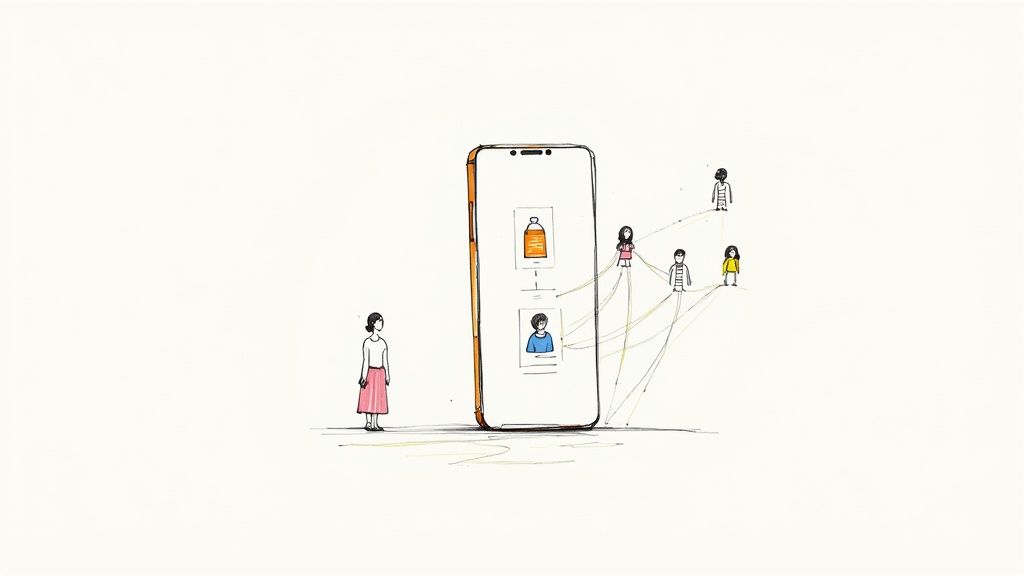
While the world of healthcare system integration is making huge strides, the real heart of care coordination will always beat within the family. It's just a fact. The most connected hospital system in the world can’t capture the tiny, crucial details of your loved one’s daily life—like whether Mom seemed a little more tired today, or if Dad enjoyed his lunch.
That’s where modern, family-focused caregiving apps come in. They fill the gaps that formal technology hasn't—and maybe never will—solve. Think of them as your family's private, central command center for all the human parts of caregiving. They're built for the everyday moments and details that often don't make it into an official medical record but are so important.
Creating Your Family’s Go-To Record
Imagine an app on your phone where you can quickly log your dad’s blood pressure reading from this morning, confirm he took his 9 AM pills, and send a quick update to your siblings so everyone is on the same page. This creates a single, reliable source of truth that your family owns and controls.
This organized information becomes a superpower at the next doctor's appointment. Instead of trying to remember what happened three weeks ago on a Tuesday, you can just pull up a clear, detailed log to share.
A caregiving app translates your daily observations into organized, shareable information. It gives doctors a window into your loved one’s life between appointments, helping them make better, more informed decisions.
This private log could include simple but vital things like:
- Symptom Tracking: Notes about fatigue levels, changes in appetite, or moments of confusion.
- Medication Reminders: A clean record of when doses were given, so everyone in the family knows what's been done.
- Daily Routines: Little notes about sleep patterns, mood, or if they seemed more cheerful after a walk.
These details paint a picture that formal records almost always miss, helping the entire care team see the whole person, not just the patient chart. Tools like the Don'tForgetDad app for Android are built for exactly this, making it simple to coordinate with the rest of your family and share a single, unified story.
By using a family-focused app, you aren’t just checking off tasks; you’re building a valuable health story. Here’s a small, actionable tip: start today. Jot down one key observation about your loved one’s day in a shared note or app. You'll be amazed how quickly those details build a helpful and hopeful picture of their well-being.
Your Questions About Integrated Healthcare, Answered
Stepping into the world of connected healthcare tech can feel like a lot to take on. It's totally normal to have questions. You’re just trying to figure out what’s best for your family, and that means getting a handle on the tools that are supposed to make life easier. Let’s walk through some of the most common worries we hear from caregivers.
Is My Loved One's Health Information Safe?
This is such an important question, and we want to reassure you: yes. It’s your family’s private information, and protecting it is the number one priority for everyone involved.
Think of it this way: powerful privacy laws, like HIPAA in the United States, act as a strict security guard for health data. They set clear rules for who gets to see information and why. Just like your bank uses special technology to protect your financial details, healthcare systems use the same kind of tools to send information through secure, private channels. Only the doctors, nurses, and specialists on your loved one's team can see what they need to see—nothing more. The whole system is built on a foundation of security and trust.
If Everything Is Connected, Why Do I Still Fill Out So Many Forms?
This is such a valid frustration. You’d think connected systems would mean the end of the clipboard, right? The truth is, while healthcare system integration is getting better every single day, we’re not quite at 100% yet.
Sometimes you’ll visit a clinic that uses an older system that just doesn’t “talk” to the newer ones yet. Other times, they need you to confirm information for critical legal or safety reasons, just to be extra careful. It can feel repetitive, but it’s often a necessary step to ensure everything is perfect.
Every single time you ask a provider how they share information with other doctors, you’re helping push the entire system forward. Your voice as a caregiver is one of the most powerful drivers of positive change.
The good news? As more providers get on board with modern, integrated technology, that mountain of paperwork is slowly shrinking. Your patience helps, but your questions help even more.
Can We Actually Control Who Sees Our Family's Information?
Yes, you are firmly in the driver's seat here. Patient consent is the foundation of this entire process. For almost every situation, you or your loved one has the final say on which doctors, hospitals, or health systems can access their records.
Hospitals and clinics have clear consent forms that spell out exactly how information might be shared. It never hurts to ask the front desk staff to walk you through their specific policies so you feel completely comfortable. Taking that extra minute to ask gives you total peace of mind and keeps you in control of your family’s health story.
Bringing all the pieces of care together is a journey, and at Don’tForgetDad, we believe technology should make that journey easier, not more complicated. Our app helps you create a central, private space for your family's care notes and routines, ensuring everyone stays connected and supported. Learn how Don’tForgetDad can bring your family peace of mind.